
Designing a Driveway for Heavy Vehicles: Tips for Sunshine Coast Business & Rural Properties
Driveways on rural and commercial properties carry far more than the family ute. Grain trucks, delivery vehicles, tractors and machinery move across these surfaces every week. Without the right design, weight and repetition quickly lead to cracking, rutting and costly repairs. That’s why many property owners explore asphalt driveways Sunshine Coast builders recommend for strength and long-term performance.
A driveway designed for heavy traffic requires careful planning. Load ratings, base thickness, material choice and maintenance all influence how well the surface handles pressure over time. Farmers and commercial property owners across Caboolture and the Sunshine Coast know that a properly designed access road protects equipment, keeps operations moving and prevents constant patchwork repairs.
Below are key factors worth considering when planning a driveway built for heavy vehicles.
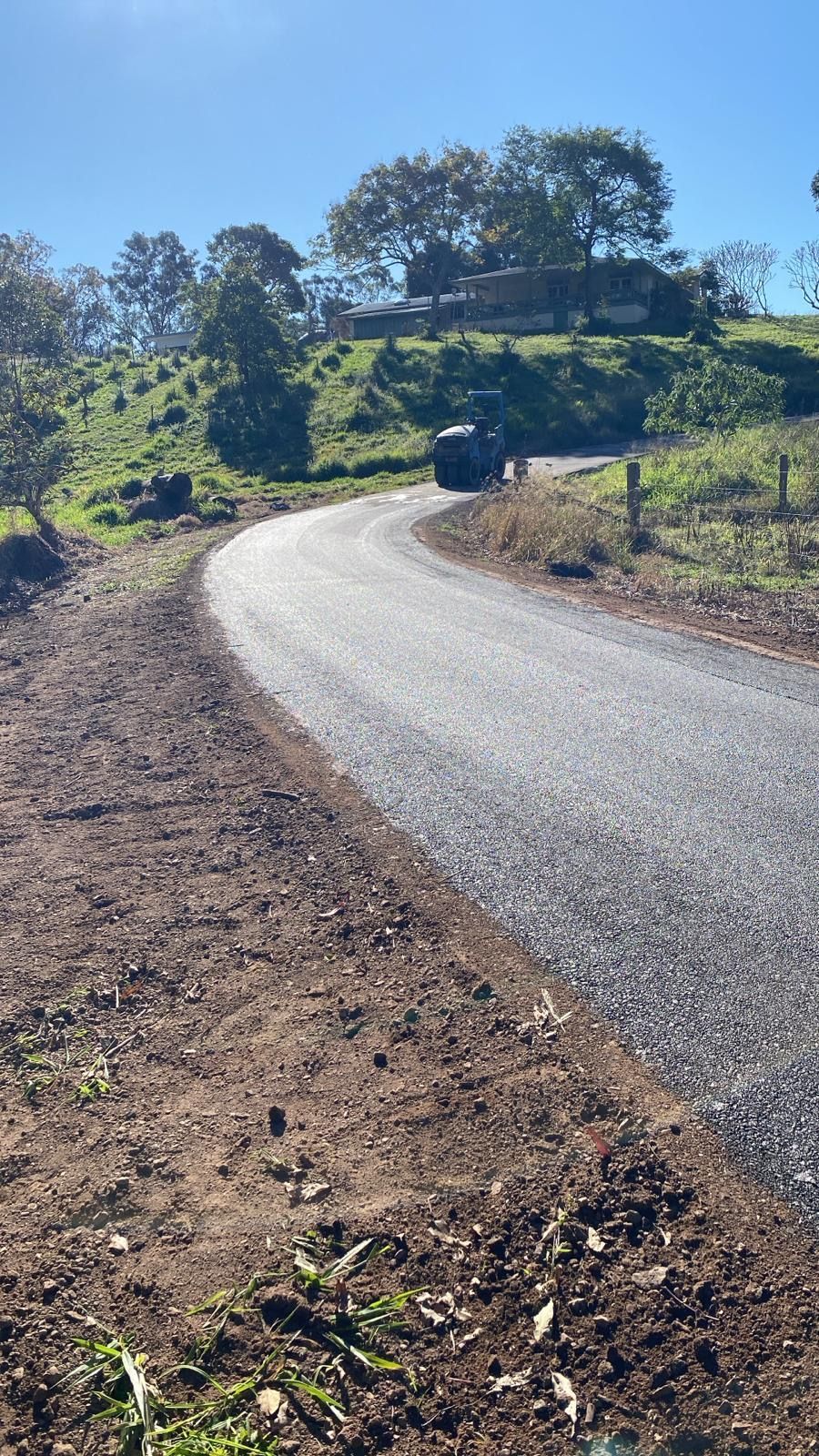
Why Heavy Vehicles Change Driveway Design
Heavy vehicles place far greater pressure on the ground than standard passenger cars. A typical sedan spreads weight fairly evenly across four tyres. By contrast, a fully loaded delivery truck or farm transport vehicle concentrates thousands of kilograms over a much smaller surface area. This creates several challenges:
- Axle loads increase dramatically – a single axle from a loaded truck can place more stress on a driveway than several cars combined.
- Repeated traffic compounds damage – the same turning points and braking areas receive constant pressure.
- Edge breakdown becomes common – heavy wheels near driveway edges can cause crumbling and deformation.
- Moisture weakens the structure – water entering small cracks softens the base and accelerates deterioration.
When property owners design a heavy vehicle driveway, they must plan for these forces from the ground up. A surface that performs well for residential traffic may struggle under agricultural or commercial use.
The Base Layer: Where Strength Really Begins
Many driveway issues originate beneath the surface. The base layer acts as the structural backbone of the driveway, distributing weight and stabilising the pavement above it.
For heavy traffic areas, contractors typically increase the depth and strength of this base layer. A thicker foundation prevents vehicles from pushing the surface downward into soft soil. The key elements of a strong base include:
Excavation to stable subgrade soil
Removing weak material ensures the driveway rests on firm ground.
Compacted road base aggregate
Crushed rock materials interlock during compaction, creating a dense platform capable of supporting large loads.
Layered compaction
Installing base material in layers allows machinery to compress each stage thoroughly.
Correct base thickness
Residential driveways may only require a shallow base, while heavy traffic areas demand significantly thicker foundations.
Without these steps, even the strongest surface materials will struggle to support trucks and machinery.
Load Ratings & Structural Planning
Load rating refers to the maximum weight a surface can carry without structural failure. For farm or commercial properties, designing with realistic load expectations avoids premature deterioration. Property owners should consider the following:
- Maximum vehicle weight entering the property
- Frequency of deliveries or machinery traffic
- Turning points where tyres create high stress
- Braking areas such as gates or loading zones
Designing for heavier loads than currently expected often pays off long term. Businesses expand, farm equipment grows larger and new delivery vehicles arrive over time. Building with future use in mind reduces the need for reconstruction later.
Properly engineered commercial driveways distribute these loads through a combination of base depth, asphalt thickness and compaction techniques.
Why Asphalt Performs Well for Heavy Traffic
Many rural and commercial properties choose asphalt because it provides durability without excessive construction costs. When installed over a well-prepared base, asphalt creates a flexible surface capable of absorbing heavy vehicle pressure.
Unlike rigid surfaces, asphalt adjusts slightly under load. This flexibility helps prevent sudden cracking caused by weight and movement. Several characteristics make asphalt suitable for heavy-duty applications:
- Flexibility under load – the surface bends slightly rather than fracturing.
- Strong bonding between layers – asphalt compacts into a dense structure.
- Fast installation time – businesses can regain access quickly after construction.
- Lower maintenance costs over time – repairs often remain simple and affordable.
For rural businesses and logistics yards, asphalt provides a balance between durability and cost efficiency.
Many operators exploring asphalt driveways in Caboolture or on the Sunshine Coast also value the smooth surface it provides for trucks, trailers and machinery.
Layout Design for Trucks & Farm Machinery
Strength alone does not guarantee a functional driveway. Layout plays a major role in how well heavy vehicles move through a property. Designers often assess:
- entry width for large trucks
- turning radii for semi-trailers or farm equipment
- safe access points for loading areas
- space for reversing manoeuvres
- drainage flow across sloping terrain
On farms, driveways frequently connect sheds, grain silos, livestock yards and machinery storage areas. Each location generates traffic patterns that influence surface wear.
For commercial sites, loading bays and parking areas create concentrated stress zones. These areas may require thicker asphalt layers or reinforced base preparation. Smart layout planning spreads traffic across a wider area, reducing the impact of constant wheel movement in one location.
Maintenance Strategies That Extend Driveway Life
Even the strongest driveway benefits from regular maintenance. Preventive care protects the structure beneath the surface and prevents small issues from becoming large repairs.
Property owners can extend driveway lifespan through several practical steps.
Routine Maintenance Practices
Crack sealing
Small cracks allow water to reach the base. Early sealing prevents structural damage.
Drainage management
Clearing drainage channels stops water pooling near the pavement.
Surface resealing
Seal coats refresh the surface and protect asphalt from oxidation and weather exposure.
Edge reinforcement
Maintaining shoulder support prevents heavy vehicles from breaking the edges.
Regular inspections
Early detection of rutting or surface wear allows quick repairs.
Heavy vehicle traffic creates ongoing stress, but consistent upkeep preserves structural strength and keeps the driveway operating smoothly.
Planning Ahead Saves Money
Driveway reconstruction can disrupt farm operations and commercial activities. Deliveries stop, machinery access becomes limited and repair costs increase quickly.
Investing in proper construction from the beginning often proves far more economical than repeated patching. A well-designed heavy vehicle driveway supports operations for decades when built with the right base, materials and maintenance strategy.
This long-term approach also protects equipment. Smooth, stable surfaces reduce vibration, improve safety and prevent damage to vehicles and trailers. For businesses across rural Queensland, driveway infrastructure plays a vital role in daily productivity.
Heavy vehicles place enormous stress on rural and commercial access roads. Proper load planning, thicker base construction, suitable materials and consistent maintenance help driveways withstand that pressure for many years. Property owners across the region increasingly choose asphalt driveways Sunshine Coast contractors work on because they balance durability, flexibility and cost efficiency.
If your farm or commercial property requires a driveway capable of handling trucks, machinery and daily operations,
RFD Asphalt proudly serves Caboolture and the Sunshine Coast with experienced asphalt construction services.
Speak with our team today to discuss asphalt driveways in Caboolture and the Sunshine Coast.