
Asphalt vs Concrete Driveways: Which Is Best for Brisbane Homes
A driveway does more than guide cars into the property. It sets the tone for the home, adds structure to the entrance and influences how well outdoor areas cope with weather, heat and everyday use. When comparing materials, many homeowners find themselves choosing between asphalt and concrete, each offering strengths that suit different lifestyles and design preferences. The way these materials react to heat, moisture, movement and heavy rain becomes central to modern
Brisbane driveway upgrades. By exploring how both surfaces behave across changing conditions, property owners can make informed decisions that support longevity, comfort and appearance.
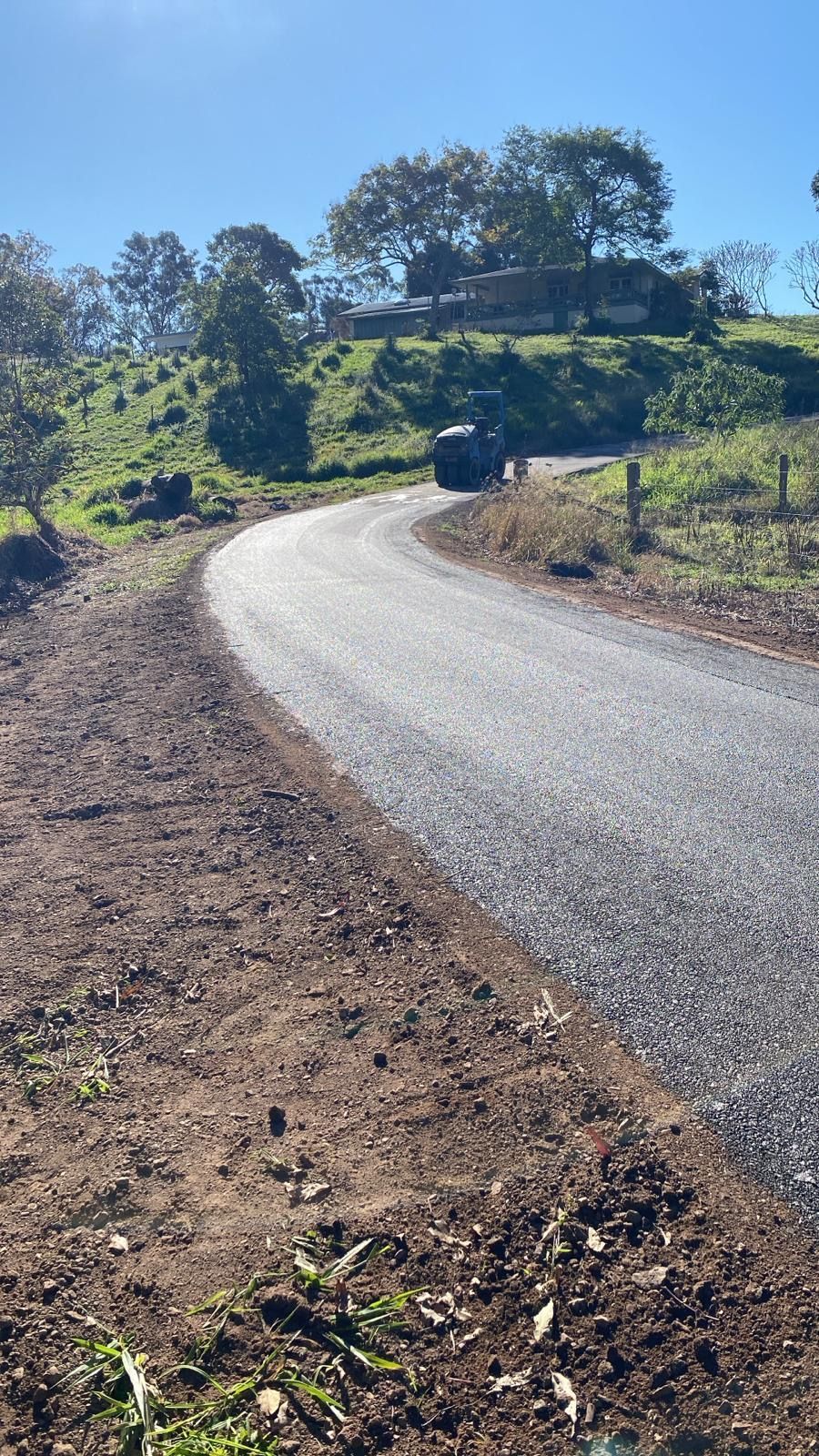
Understanding Material Behaviour In Changing Weather
Driveways experience constant movement, even when they appear still. Heat expands them, cooler nights contract them and moisture shifts in and out of the base layers beneath. Asphalt and concrete respond differently to these natural forces, and those differences influence how each material performs long-term.
Professionals who specialise in driveway installation often begin by examining how the material behaves under fluctuating outdoor conditions. Their support typically includes:
- Assessing expansion & contraction patterns in relation to the chosen base
- Recommending preparation methods that keep the driveway stable across seasons
A well-prepared foundation plays a major role in creating a surface that remains
smooth and strong rather than dipping, cracking or shifting over time.
How Heat & UV Exposure Influence Surface Strength
Long periods of warmth and bright sunshine can be challenging for outdoor surfaces. Asphalt softens slightly when exposed to high heat, giving it the flexibility to adapt but also requiring quality sealing to maintain surface firmness. Concrete, on the other hand, absorbs heat and releases it slowly, which can make it feel quite warm after a full day in the sun.
Driveway specialists help reduce heat-related issues by:
- Using asphalt formulas designed to resist softening & UV wear
- Applying concrete sealants that reduce the thermal load & slow heat absorption
Both materials benefit from protection against strong sunlight. Without it, fading, discolouration and surface fatigue become more noticeable over time, especially in areas with extended daylight and warm temperatures. Sealants, coatings and the right installation methods all contribute to managing UV exposure.
Managing Humidity & Moisture Movement
Moisture in the air can influence how driveway materials behave. Humidity encourages expansion, which asphalt generally tolerates well due to its flexible structure. Concrete reacts differently, and sudden spikes in moisture can place pressure on the surface, leading to fine cracks or stress marks if the slab cannot adjust.
To reduce moisture-related issues, industry professionals rely on:
- Base layers that support controlled drainage & discourage water build-up
- Expansion joints that allow concrete to settle & shift safely as it adjusts to humidity
By ensuring adequate moisture control beneath the surface, installers help prevent the early deterioration that often goes unnoticed until cracks start to widen or unevenness appears. Good moisture management is essential for both comfort and long-term durability.
Responding To Rainfall & Storm Season Conditions
Heavy rain introduces sudden stress to driveway surfaces. Water moves across the driveway, settles at low points and seeps into the ground beneath the slab. Asphalt handles this movement flexibly, usually encouraging quick runoff due to its texture and darker colour. Concrete can withstand rain effectively when well-sealed and sloped correctly but may hold water longer if the driveway is not shaped or drained properly.
Driveway contractors strengthen water performance by:
- Creating angled surfaces that direct water away from the property & prevent pooling
- Recommending surface sealing that reduces water penetration & protects the base layer
Storm conditions bring intense rainfall, rapid runoff and sudden temperature changes. A driveway built with proper drainage, thickness and compaction will comfortably withstand these extremes. This makes professional installation an important part of securing long-term stability and preventing washouts, erosion or undermining of the base.
Considering Long-Term Durability & Maintenance
Longevity differs between asphalt and concrete, and the maintenance required can influence cost and appearance over time. Asphalt benefits from periodic resealing to refresh its surface, maintain flexibility and minimise minor cracking. Concrete is naturally tough but more rigid, meaning cracks may eventually appear and require repair to keep the driveway looking even and well-presented.
Driveway providers often help owners plan long-term care by:
- Offering resurfacing, patching & crack-filling services tailored to each material
- Advising on the lifespan of Brisbane driveways based on traffic load & surrounding conditions
Understanding these maintenance requirements allows homeowners to choose the surface that best suits their lifestyle. For example, households with multiple vehicles or heavy daily use may prefer the adaptability of asphalt, while those seeking a long-term, low-maintenance structure may lean toward concrete.
Exploring Cost Differences & Value Over Time
The upfront cost is often one of the biggest deciding factors. Asphalt typically provides a more cost-effective installation due to simpler preparation and faster application. Concrete requires more extensive forming, finishing and curing, contributing to a higher starting price. However, when assessed over many years, both materials offer good value depending on the owner’s priorities.
Industry specialists help homeowners evaluate long-term value by:
- Breaking down installation, maintenance & eventual replacement costs
- Matching material selection to expected lifespan, vehicle load, & budget
This broader view ensures decisions are based not only on today’s costs but also on how the driveway will perform in the years ahead. A driveway with suitable thickness, reinforcement and sealing often saves money long-term by reducing repair needs and extending service life.
Matching Driveway Style To Property Design
A driveway plays a major part in street appeal, shaping the look of the entrance and influencing how the home is perceived from outside. Asphalt is known for its smooth, dark finish that suits modern, minimalist styles. Concrete offers flexibility with patterned finishes, decorative edging, exposed aggregate and colouring options that allow homeowners to create a more personalised or architectural look.
Driveway contractors guide design decisions by:
- Helping homeowners select finishes that complement the house facade, paths & landscaping
- Offering options that range from simple, clean styles to highly customised decorative surfaces
These design considerations ensure the driveway feels integrated with the property rather than appearing as a separate, mismatched feature. A well-designed driveway improves functionality while elevating the home’s overall visual balance.
Choosing The Best Material For Daily Use
Every household uses its driveway differently. Some need extra durability for multiple vehicles, others prioritise comfort underfoot or focus on maintaining a certain visual style. Asphalt’s flexibility makes it ideal for driveways that experience movement from temperature changes or regular heavy use. Concrete provides firmness and long-term structural consistency, supporting steady traffic and creating a solid, reliable surface.
Industry professionals guide homeowners by:
- Assessing shade coverage, surface temperature, access points & vehicle type
- Recommending materials that support safe, comfortable & long-lasting use
These practical considerations ensure the driveway suits daily routines while supporting the conditions it will face year-round.
How To Move Forward With Confidence
We at
RFD Asphalt understand how strong sun, high humidity, warm summers and intense storm seasons influence driveway performance across the region. If you’re choosing between asphalt and concrete for your next project, visit
https://www.rollformeddriveways.com.au/ to explore reliable driveway solutions shaped for local conditions. Our team can help you select a material that handles the climate, suits your property and performs well throughout the year.